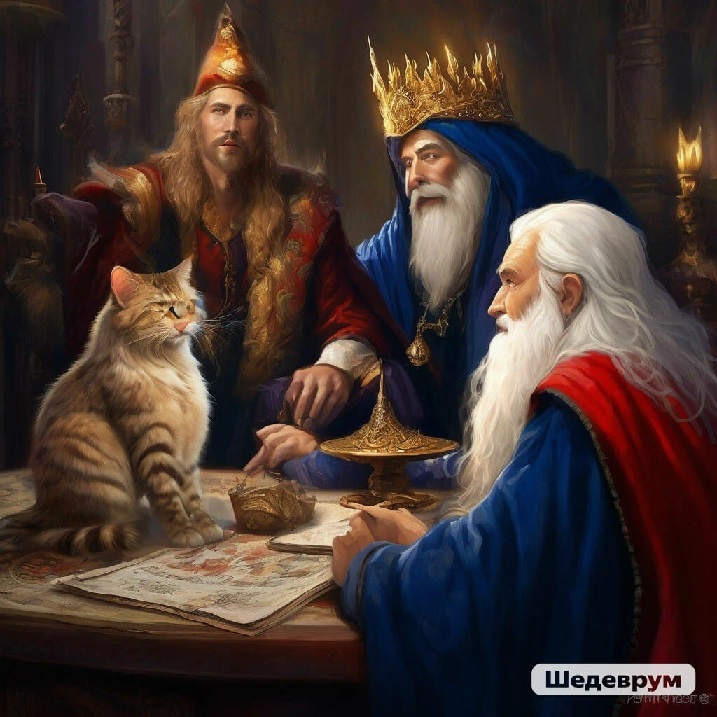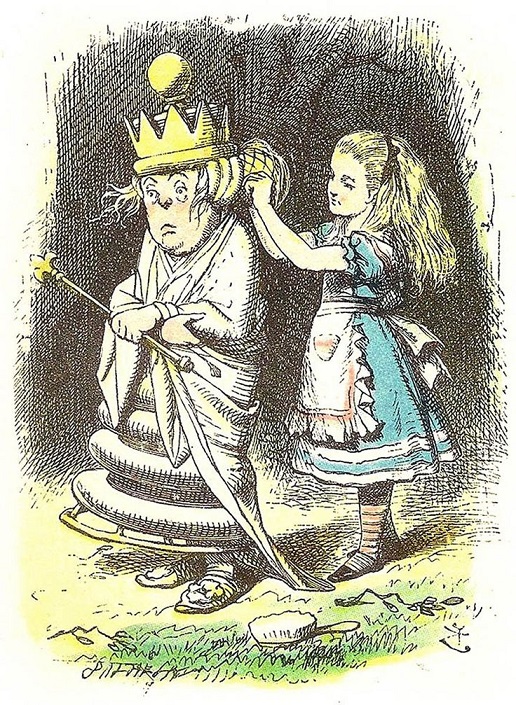
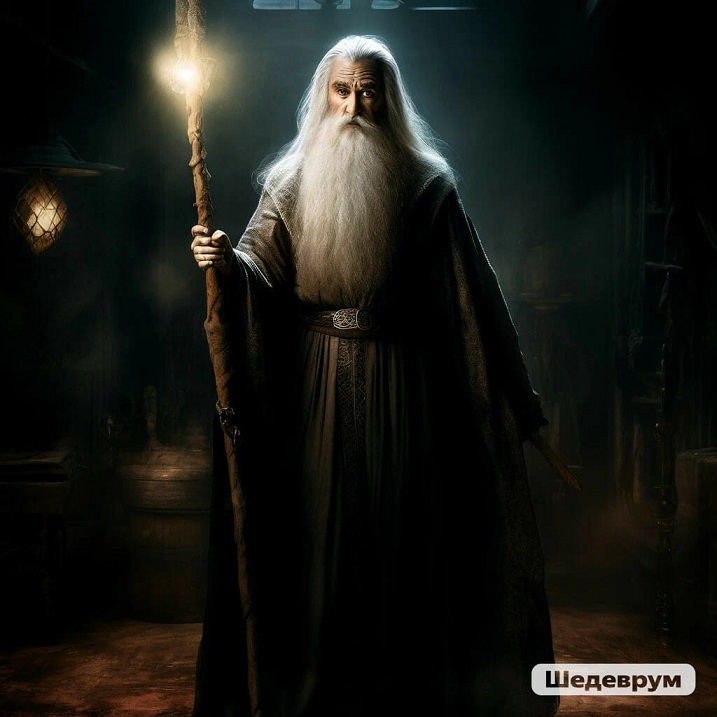

Nobody expected Merlin to come to the fairytale. And we, the authors, were quite amazed when we saw him.
Do you agree with us?.
Merlin was really miraculous and fascinating!
Merlin (Welsh: Myrddin, Cornish: Merdhyn, Breton: Merzhin) is a mythical figure prominently featured in the legend of King Arthur and best known as a magician, with several other main roles. The familiar depiction of Merlin, based on an amalgamation of historical and legendary figures, was introduced by the 12th-century British pseudo-historical author Geoffrey of Monmouth and then built on by the French poet Robert de Boron and prose successors in the 13th century.
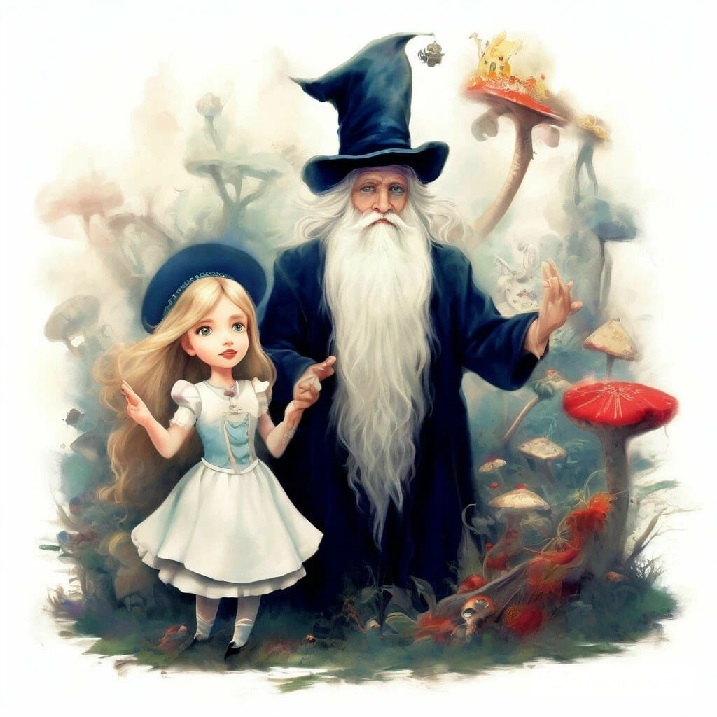
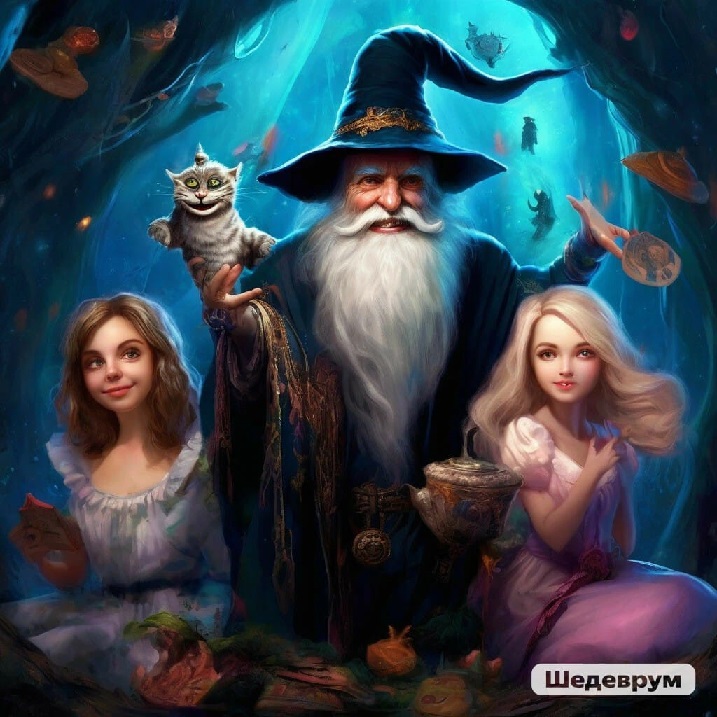
Some glimpses.
The name Merlin is derived from the Brythonic name of the legendary bard Myrddin that Geoffrey of Monmouth Latinised to Merlinus in his works. Medievalist Gaston Paris suggests that Geoffrey chose the form Merlinus rather than the expected *Merdinus to avoid a resemblance to the Anglo-Norman word merde (from Latin merda) for feces. 'Merlin' may also be an adjective, in which case he should be called "The Merlin", from the French merle meaning blackbird. According to Martin Aurell, the Latin form Merlinus is a euphony of the Celtic form Myrddin to bring him closer to the blackbird (Latin merula) into which he could metamorphose through his shamanic powers, as was notably the case for Merlin's Irish counterpart.
Myrddin may be a combination of *mer (mad) and the Welsh dyn (man), to mean 'madman'. It may also mean '[of] many names' if it was derived from the Welsh myrdd, myriad. In his Myrdhinn, ou l'Enchanteur Merlin (1862), La Villemarqué derived Marz[h]in, which he considered the original form of Merlin's name, from the Breton word marz (wonder) to mean 'wonder man'.Clas Myrddin or Merlin's Enclosure is an early name for Great Britain as stated in the third series of Welsh Triads.
Celticist Alfred Owen Hughes Jarman suggested that the Welsh name Myrddin was derived from the toponym Caerfyrddin, the Welsh name for the town known in English as Carmarthen. This contrasts with the popular folk etymology that the town was named after the bard. The name Carmarthen is derived from the town's previous Roman name Moridunum, in turn, derived from the Celtic Brittonic moridunon, 'sea fort[ress]'. There is no obvious connection between Merlin and the sea in the texts about him, but Claude Sterckx has suggested that Merlin's father in the Welsh texts, Morfryn, might have been a sea spirit. Philippe Walter connected it with the figure of the insular Celtic sea god Manannán. Folklorist Jean Markale proposed that the name of Merlin is of French origin and means 'little blackbird', an allusion to the mocking and provocative personality usually attributed to him in medieval stories. The Welsh Myrddin could be also phonetically connected to the name Martin and some of the powers and other attributes of the 4th-century French Saint Martin of Tours (and his disciple Saint Hilaire) in hagiography and folklore are similar to these of Merlin. If a relationship between the two figures does exist, however, it may rather be a reverse one in which the Merlin tradition inspired the later accounts of the saint's miracles and life